
BLOG, PODCAST, & RESEARCH LIBRARY
Bee venom therapy, also known as apitherapy, has been used for centuries in traditional medicine. This unique approach utilizes the venom of honeybees to treat various ailments...

Introduction
Bee venom therapy, also known as apitherapy, has been used for centuries in traditional medicine. This unique approach utilizes the venom of honeybees to treat various ailments, offering a natural and alternative method for healing. Recent advancements in scientific research have shed light on the numerous health benefits of bee venom, making it a promising treatment for a range of conditions.
Historical Background
Apitherapy dates back to ancient civilizations, including Egypt, Greece, and China, where it was employed to alleviate pain and treat various illnesses. The practice involves the administration of bee venom through bee stings or injection, harnessing its potent medicinal properties.
Composition of Bee Venom
Bee venom contains a complex mixture of enzymes, peptides, and amines, including melittin, apamin, and adolapin. These components contribute to its anti-inflammatory, analgesic, and immunomodulatory effects. Melittin, the primary component, is known for its powerful anti-inflammatory and anticancer properties.
Health Benefits and Applications
Anti-Inflammatory and Pain Relief
Bee venom's anti-inflammatory properties make it an effective treatment for conditions such as arthritis, bursitis, and tendinitis. It helps reduce swelling, pain, and stiffness in affected joints, providing relief for those suffering from chronic inflammatory conditions.
Immune System Modulation
Bee venom has been found to modulate the immune system, making it beneficial for autoimmune diseases like multiple sclerosis and lupus. By regulating immune responses, it helps manage symptoms and improve the quality of life for individuals with these conditions.
Neurological Benefits
Recent studies suggest that bee venom may have neuroprotective effects, making it a potential treatment for neurological disorders such as Parkinson's disease and Alzheimer's disease. Its components help protect nerve cells from damage and promote their regeneration.
Anticancer Properties
Melittin, a key component of bee venom, has shown promise in cancer treatment. Research indicates that melittin can induce cancer cell death and inhibit tumor growth, making it a potential adjunct therapy for cancer patients.
Antibacterial and Antiviral Effects
Bee venom possesses antimicrobial properties, making it effective against certain bacteria and viruses. It has been studied for its potential to treat infections and boost the body's natural defenses against pathogens.
Advancements in Research
Ongoing research continues to uncover new applications and benefits of bee venom. Scientists are exploring its potential in treating Lyme disease, chronic fatigue syndrome, and other challenging health conditions. Advances in biotechnology are also enabling the development of purified bee venom products, enhancing their safety and efficacy.
How Bee Venom Therapy is Administered
Bee venom therapy can be administered in various ways, including:
• Direct Stings:
The traditional method involves live bee stings at specific points on the body.
• Injections:
Purified bee venom can be injected using a syringe, allowing for precise dosing.
• Topical Applications:
Bee venom creams and ointments can be applied directly to the skin for localized treatment.
Conclusion
Bee venom therapy offers a fascinating glimpse into the healing power of nature. With its wide range of health benefits and potential applications, it stands as a testament to the incredible medicinal properties found in the natural world. As research continues to advance, bee venom may emerge as a mainstream treatment option for various illnesses, bringing hope and healing to many.
Note
While bee venom therapy holds great promise, it is essential to understand that it may not be suitable for everyone, particularly those with allergies to bee stings. As always, it's important to stay informed and consider all aspects before exploring new treatment options.
Stay tuned for more insights into the world of natural health and alternative medicine as we continue to explore innovative and holistic approaches to well-being.
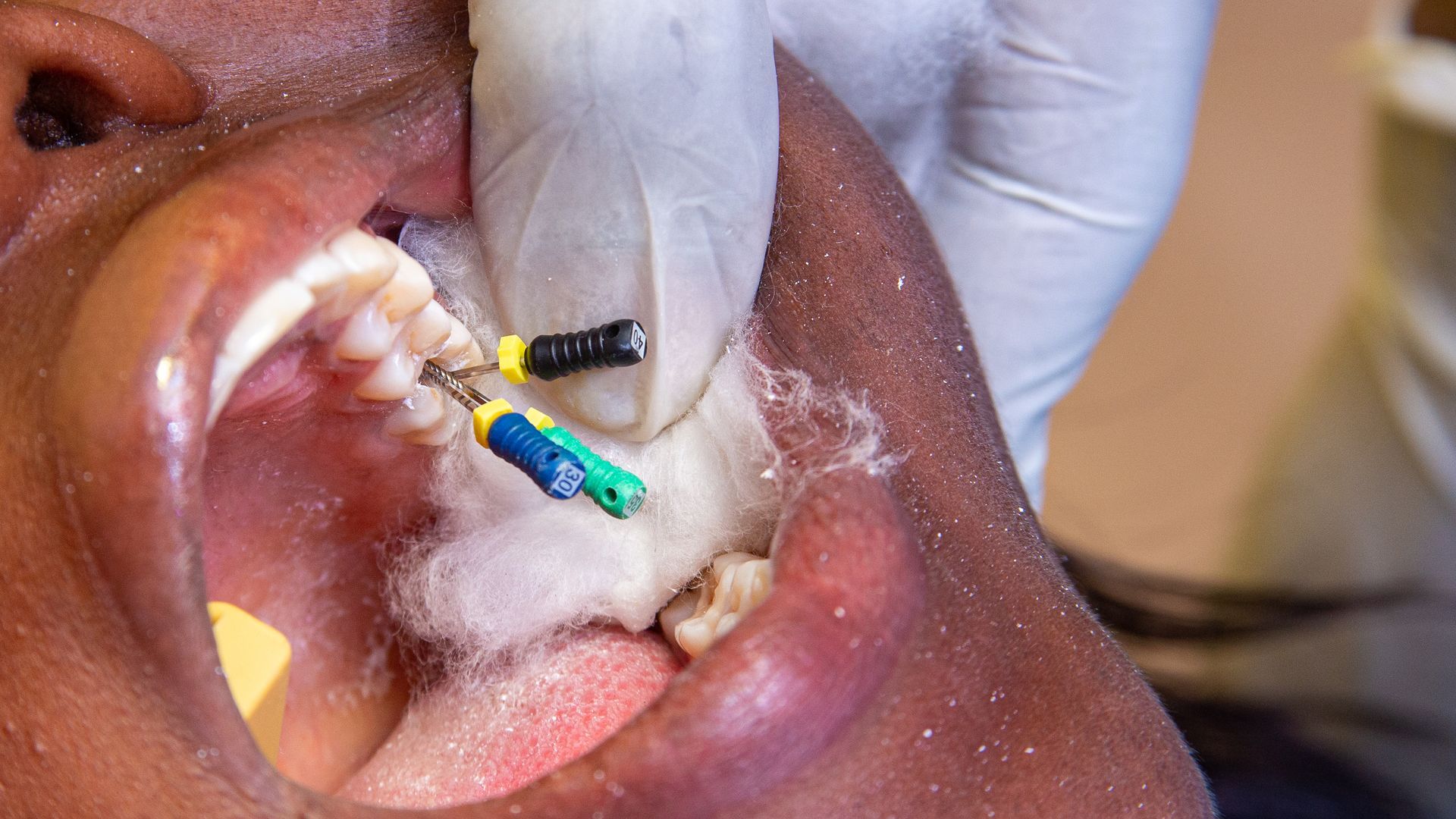
"Experts argue that root canal teeth cannot be fully sterilized due to miles of microscopic tubules that harbor bacteria, which produce toxins and contribute to various health problems..."

"Excessively low blood pressure carries significant risk, and many blood pressure medications have common side effects that doctors often don’t recognize..."

"While constant snacking is problematic, extreme fasting is not the solution, as it can lower metabolic rate and negatively impact digestive health in the long term..."

"In the realm of health and wellness, enzymes are often associated with digestion. However, there exists a specialized enzyme that extends its benefits far beyond the digestive system, playing a significant role in cardiovascular health..."

"Even more impressive, pectin has been linked with a variety of health benefits, including its ability to support detoxification processes, serve as a prebiotic, and assist in managing certain metabolic disorders. Its significance in maintaining overall digestive health while offering protective mechanisms against various diseases highlights the importance of incorporating pectin-rich foods into your diet..."

"These powerful substances are now more accessible than ever, featured in various health products aimed at detoxification and nutrient optimization. When selecting a product, ensure it's sourced from high-quality, organic materials and processed to preserve the integrity of the humic and fulvic compounds."

"Recent research highlights magnesium's ability to increase enzyme flexibility, aiding in efficient energy production..."

"Children in the U.S. often receive cocktails of powerful psychotropic drugs that have numerous side effects and health risks, with minimal evidence of benefit in many cases..."

Lyme disease is a complex and often misunderstood condition...

Nausea and vomiting are unpleasant symptoms that can arise from various causes...