BLOG, PODCAST, & RESEARCH LIBRARY

"In the realm of health and wellness, enzymes are often associated with digestion. However, there exists a specialized enzyme that extends its benefits far beyond the digestive system, playing a significant role in cardiovascular health..."

In the realm of health and wellness, enzymes are often associated with digestion. However, there exists a specialized enzyme that extends its benefits far beyond the digestive system, playing a significant role in cardiovascular health. Nattokinase, particularly the patented form known as NSK-SD®, is emerging as a powerful ally for heart health due to its unique properties and extensive research backing.


Understanding Nattokinase


Nattokinase is a serine protease enzyme derived from natto, a traditional Japanese food made from fermented soybeans. The fermentation process utilizes a beneficial bacterium called Bacillus subtilis natto, which produces this potent enzyme. Renowned for its fibrinolytic activity, nattokinase supports healthy blood flow by aiding in the breakdown of fibrin, a protein involved in blood clot formation.


What Is NSK-SD®?


NSK-SD® is a patented, branded form of nattokinase developed by Japan Bio Science Laboratory (JBSL). It is produced using non-genetically modified soybeans fermented with a proprietary strain of Bacillus subtilis natto. A unique aspect of NSK-SD® is that it undergoes a patented process to remove all naturally occurring vitamin K2. This is significant because vitamin K2 can interfere with certain medications like warfarin and may influence blood coagulation.


Scientific Foundation of NSK-SD®


NSK-SD® is supported by a robust platform of scientific research, comprising 55 clinical studies, including 23 human clinical trials. Over the past 26 years, these studies have explored its efficacy in various areas, allowing for several health claims:


- Promotes overall cardiovascular health

- Supports arterial health with strong fibrinolytic activity

- May help maintain normal blood pressure levels

- Promotes proper whole blood viscosity

- Enhances blood circulation

- Supports normal platelet aggregation

- Manages levels of C-reactive protein (CRP), a marker of inflammation


Supporting Healthy Blood Pressure


High systolic and diastolic blood pressure are key concerns for cardiovascular well-being. In six human studies involving participants with conditions ranging from hypertension to uncontrolled systolic hypertension, supplementation with NSK-SD® nattokinase demonstrated a reduction in both systolic and diastolic blood pressure readings.


Fibrinolytic Activity


Five human studies focused on NSK-SD®'s ability to support the body's fibrinolytic processes. Results consistently showed significant reductions in fibrin degradation products, indicating enhanced breakdown of fibrin. Importantly, NSK-SD® does not inhibit necessary clot formation following an injury, allowing normal healing processes to proceed without increasing the risk of harmful clot development.


Enhancing Blood Flow and Reducing Clot Formation


Three human studies involving healthy adults and individuals prone to spontaneous platelet aggregation due to factors like smoking or high lipid levels found that NSK-SD® supplementation helped inhibit platelet clumping. One study noted improved blood flow to extremities after just one dose of NSK-SD®, highlighting its potential to enhance blood viscosity and circulation.


How Does NSK-SD® Work?


Research has identified several mechanisms through which NSK-SD® nattokinase promotes cardiovascular health:


1. Enhances Tissue Plasminogen Activator (t-PA) Production: t-PA is an enzyme that helps dissolve blood clots by converting plasminogen to plasmin, which breaks down fibrin.

2. Reduces Plasminogen Activator Inhibitor Type 1 (PAI-1): Lowering PAI-1 levels supports the body's natural ability to break down clots.

3. Activates Pro-Urokinase: This activation contributes to the breakdown of fibrin, aiding in fibrinolysis.

4. Directly Degrades Fibrin: NSK-SD® can directly break down fibrin, supporting normal clot dissolution.

5. Inhibits Platelet and Red Blood Cell Aggregation: By preventing cells from sticking together, it promotes smoother blood flow.

6. Reduces C-Reactive Protein Production: Lowering CRP levels can help reduce inflammation, a risk factor for cardiovascular disease.


Additional Benefits and Recognitions


NSK-SD® nattokinase offers several advantages:


- Non-GMO and Vegetarian: Produced from non-genetically modified soybeans and suitable for vegetarians.

- Highest Proven Potency: Holds the highest proven potency of any vitamin K2-free nattokinase available.

- Quality Recognitions: Recognized by the Japan Health and Nutrition Food Authorization (JHFA) and the Japan Nattokinase Association (JNKA) as authentic nattokinase.

- Regulatory Approvals: The only nattokinase approved by the European Food Safety Authority (EFSA) and Health Canada.

- GRAS Status: Self-affirmed Generally Recognized As Safe (GRAS) in the United States.


Future Research and Potential Applications


JBSL is committed to advancing research on NSK-SD®, with plans to conduct additional studies in 2025 to further explore its benefits in cardiovascular health and new areas of application. One promising area is oral health; preliminary studies suggest that NSK-SD® may inhibit biofilm formation by cavity-causing bacteria, indicating potential benefits for dental care.


Conclusion


NSK-SD® nattokinase emerges as a noteworthy enzyme with significant potential for supporting heart health. Its extensive research foundation underscores its ability to promote normal blood pressure, enhance circulation, and support the body's natural fibrinolytic processes. By incorporating NSK-SD® into a wellness regimen, individuals may find a natural ally in maintaining cardiovascular health.

October 7, 2024
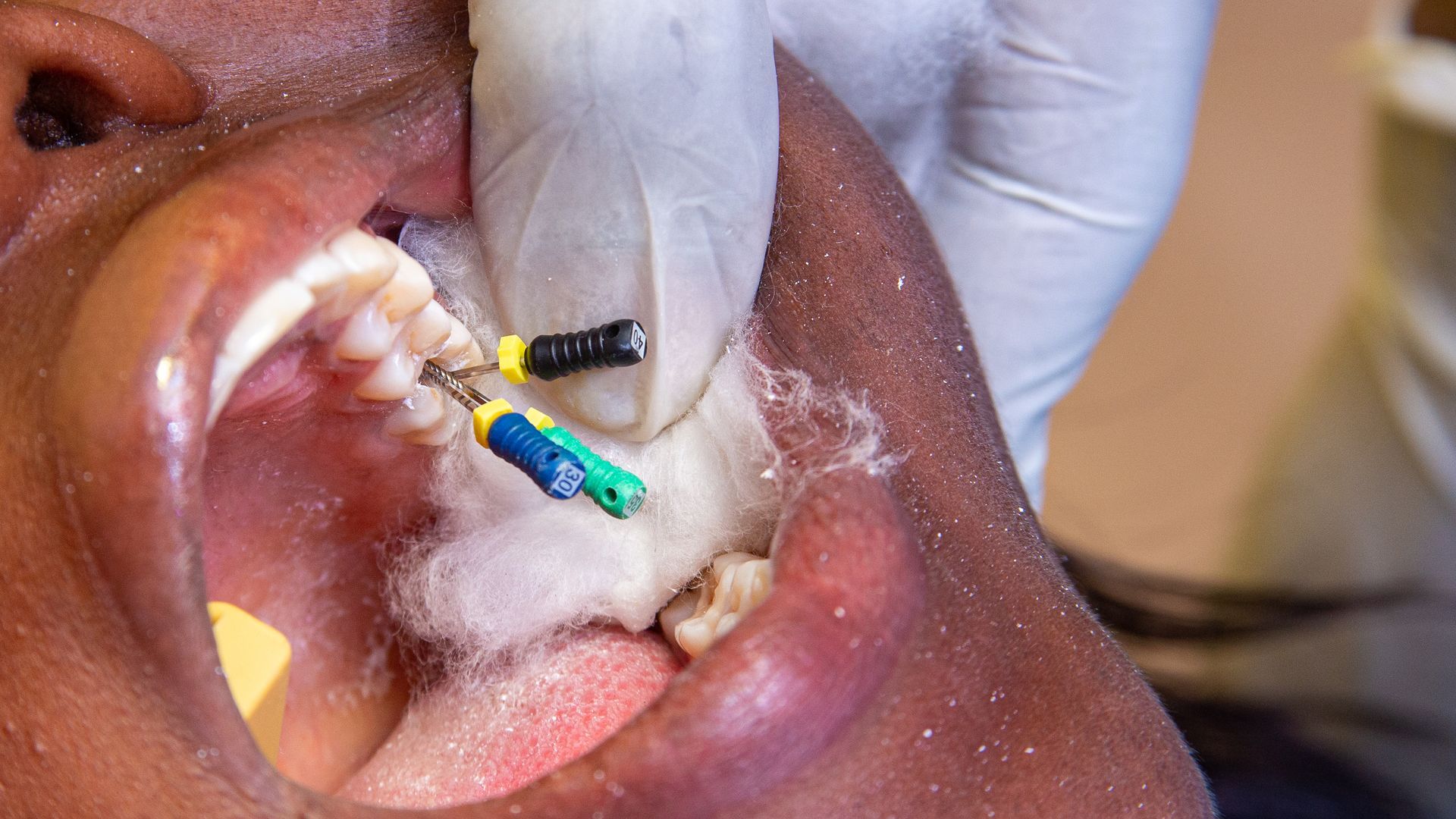
"Experts argue that root canal teeth cannot be fully sterilized due to miles of microscopic tubules that harbor bacteria, which produce toxins and contribute to various health problems..."
October 7, 2024
"Excessively low blood pressure carries significant risk, and many blood pressure medications have common side effects that doctors often don’t recognize..."
October 7, 2024
"While constant snacking is problematic, extreme fasting is not the solution, as it can lower metabolic rate and negatively impact digestive health in the long term..."
October 7, 2024
"Even more impressive, pectin has been linked with a variety of health benefits, including its ability to support detoxification processes, serve as a prebiotic, and assist in managing certain metabolic disorders. Its significance in maintaining overall digestive health while offering protective mechanisms against various diseases highlights the importance of incorporating pectin-rich foods into your diet..."
By Andrew Allsbury October 7, 2024
"These powerful substances are now more accessible than ever, featured in various health products aimed at detoxification and nutrient optimization. When selecting a product, ensure it's sourced from high-quality, organic materials and processed to preserve the integrity of the humic and fulvic compounds."
October 7, 2024
"Recent research highlights magnesium's ability to increase enzyme flexibility, aiding in efficient energy production..."
October 7, 2024
"Children in the U.S. often receive cocktails of powerful psychotropic drugs that have numerous side effects and health risks, with minimal evidence of benefit in many cases..."
By Andrew Allsbury July 17, 2024
Lyme disease is a complex and often misunderstood condition...
By Andrew Allsbury May 31, 2024
Nausea and vomiting are unpleasant symptoms that can arise from various causes...
By Andrew Allsbury May 31, 2024
Introduction Fever in children can be a source of concern for many parents. It’s a natural response of the body’s immune system to fight infections, but knowing when to intervene with fever reducers can be challenging. As natural healthcare practitioners, we emphasize a balanced approach that supports the body’s natural healing processes while ensuring your child’s comfort and safety. Understanding Fever A fever is typically defined as a body temperature above the normal range of 98.6°F (37°C). It is the body's way of creating an environment less favorable for pathogens and stimulating the immune response. Most fevers are harmless and can actually be beneficial in fighting off infections. When to Give Fever Reducers 1. High Fever • Thresholds: If your child’s fever reaches or exceeds 104°F (40°C), it’s time to consider administering a fever reducer. Such high temperatures can be dangerous and uncomfortable, and medical intervention is warranted. • Risk of Seizures: Children prone to febrile seizures may benefit from fever reducers at lower temperatures to prevent such events. Consult with your healthcare provider for guidance specific to your child's condition. 2. Persistent Fever • Duration: If a fever persists for more than 3 days without signs of improvement, it might indicate a more serious infection requiring treatment. In such cases, reducing the fever can help manage symptoms while seeking further medical advice. • Underlying Conditions: Children with certain underlying health conditions, such as heart disease or respiratory issues, may need fever reducers sooner to avoid exacerbating their conditions. 3. Severe Discomfort • Symptoms: If your child is extremely uncomfortable, experiencing severe pain, dehydration, or difficulty sleeping, fever reducers can help alleviate these symptoms and provide much-needed relief. • Appetite and Hydration: A high fever can lead to decreased appetite and fluid intake. If your child is refusing to eat or drink, reducing the fever might help them feel better and stay hydrated. When Not to Give Fever Reducers 1. Low-Grade Fever • Temperature: For fevers below 102°F (38.9°C), especially if your child is relatively comfortable and active, it’s often best to let the fever run its course. The body is working to fight off the infection, and reducing the fever might interfere with this natural process. • Natural Response: A low-grade fever indicates that the body’s immune system is effectively responding to an infection. Allowing the fever to continue can support faster recovery. 2. No Underlying Health Issues • Healthy Children: If your child is generally healthy, alert, and drinking fluids, there’s often no need for fever reducers. Monitoring and supportive care, such as ensuring they stay hydrated and comfortable, is usually sufficient. • Immune Support: Natural remedies like lukewarm baths, hydration, rest, and herbal teas can be beneficial in managing symptoms without resorting to medication. Natural Supportive Measures Instead of immediately reaching for fever reducers, consider these natural supportive measures to help your child through a fever: 1. Hydration Keeping your child well-hydrated is crucial. Offer plenty of fluids like water, herbal teas, and clear broths to prevent dehydration. 2. Rest Encourage rest and sleep to help the body fight off the infection. Creating a calm and comfortable environment can aid in their recovery. 3. Cool Compresses Applying a cool, damp cloth to your child’s forehead, wrists, and ankles can help bring down the fever naturally and provide comfort. 4. Lukewarm Baths A lukewarm bath can help reduce fever and soothe your child. Avoid cold baths, as they can cause shivering, which may raise the body temperature. 5. Herbal Remedies Certain herbs like chamomile, elderberry, and echinacea can support the immune system and provide relief. Always consult with a healthcare provider before using herbal remedies, especially for young children. Conclusion Deciding when to administer fever reducers requires a careful balance between supporting the body’s natural healing processes and ensuring your child’s comfort and safety. For low-grade fevers and generally healthy children, natural supportive measures are often sufficient. However, in cases of high, persistent, or particularly uncomfortable fevers, fever reducers can be an important part of your child’s care.