
BLOG, PODCAST, & RESEARCH LIBRARY
Laser therapy, also known as photobiomodulation or low-level laser therapy (LLLT), is a cutting-edge treatment that harnesses the power of light to stimulate the body's natural healing processes...

Laser Therapy: Harnessing the Power of Light for Accelerated Healing and Pain Relief
Laser therapy, also known as photobiomodulation or low-level laser therapy (LLLT), is a cutting-edge treatment that harnesses the power of light to stimulate the body's natural healing processes. By delivering focused, coherent light energy to damaged tissues, laser therapy can accelerate repair, reduce pain and inflammation, and restore function – all without the risks or side effects of drugs or surgery.
How Does Laser Therapy Work?
During a laser therapy session, a trained practitioner uses a handheld device to apply laser light directly to the skin over the affected area. The light photons penetrate deeply into the tissues, where they are absorbed by photoacceptors in the cells. This triggers a cascade of beneficial effects, including:
- Increased production of ATP (cellular energy)
- Enhanced blood flow and oxygenation
- Reduced inflammation and swelling
- Accelerated tissue repair and regeneration
- Modulation of pain signaling pathways
By optimizing the cellular environment and stimulating the body's innate healing mechanisms, laser therapy can help tissues recover more quickly and efficiently from injury or disease.
The Benefits of Laser Therapy for Tissue Repair
Laser therapy has been extensively researched and clinically proven to be effective for a wide range of conditions involving tissue damage or chronic pain. Some of the key benefits include:
1. Accelerated Wound Healing
Laser therapy has been shown to speed up the healing of acute and chronic wounds, including surgical incisions, ulcers, and burns. By stimulating collagen production, angiogenesis (new blood vessel formation), and cellular proliferation, laser light helps tissues repair and regenerate more efficiently.
2. Reduced Inflammation and Swelling
Inflammation is a natural part of the healing process, but excessive or prolonged inflammation can delay recovery and cause pain. Laser therapy helps to modulate inflammatory pathways, reducing swelling, redness, and discomfort in injured or diseased tissues.
3. Pain Relief
Laser therapy is highly effective for managing acute and chronic pain conditions, such as arthritis, tendinitis, neuropathy, and fibromyalgia. By reducing inflammation, promoting tissue repair, and modulating pain signaling in the nervous system, laser treatments can provide significant and long-lasting relief without the need for drugs or surgery.
4. Improved Muscle and Joint Function
Laser therapy can be beneficial for a variety of musculoskeletal conditions, including sprains, strains, tendon and ligament injuries, and degenerative joint diseases. By stimulating healing and reducing inflammation, laser treatments can help restore strength, flexibility, and function to damaged muscles and joints.
5. Non-Invasive and Safe
Unlike surgery or pharmaceuticals, laser therapy is non-invasive, painless, and has no known side effects. Treatments are quick (usually 5-15 minutes), require no downtime, and can be safely used alongside other therapies for optimal results.
Is Laser Therapy Right for You?
If you are dealing with an acute injury, chronic pain condition, or delayed healing, laser therapy may be a valuable tool to help you recover faster and get back to your active lifestyle. This cutting-edge treatment is suitable for people of all ages and can be tailored to address a wide range of tissue repair needs.
To find out if laser therapy is right for you, consult with a qualified healthcare provider who has experience with this modality. They can assess your specific condition, recommend an appropriate treatment plan, and monitor your progress to ensure the best possible outcomes.
Conclusion
Laser therapy is a safe, effective, and drug-free approach to accelerating tissue repair, reducing pain and inflammation, and restoring function. By harnessing the power of light to stimulate the body's natural healing processes, this innovative treatment offers new hope for people struggling with injuries, chronic pain, or delayed recovery.
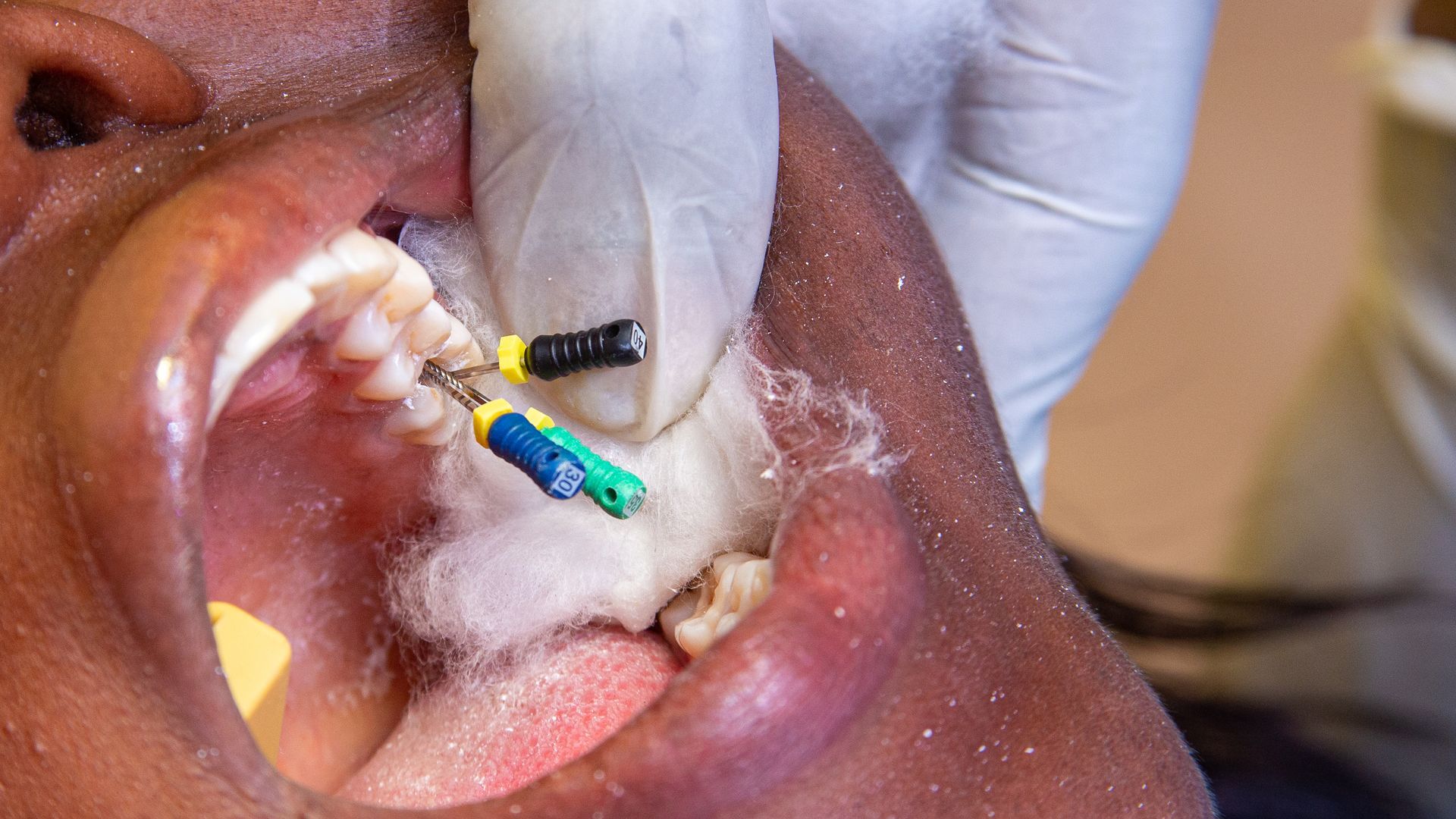
"Experts argue that root canal teeth cannot be fully sterilized due to miles of microscopic tubules that harbor bacteria, which produce toxins and contribute to various health problems..."

"Excessively low blood pressure carries significant risk, and many blood pressure medications have common side effects that doctors often don’t recognize..."

"While constant snacking is problematic, extreme fasting is not the solution, as it can lower metabolic rate and negatively impact digestive health in the long term..."

"In the realm of health and wellness, enzymes are often associated with digestion. However, there exists a specialized enzyme that extends its benefits far beyond the digestive system, playing a significant role in cardiovascular health..."

"Even more impressive, pectin has been linked with a variety of health benefits, including its ability to support detoxification processes, serve as a prebiotic, and assist in managing certain metabolic disorders. Its significance in maintaining overall digestive health while offering protective mechanisms against various diseases highlights the importance of incorporating pectin-rich foods into your diet..."

"These powerful substances are now more accessible than ever, featured in various health products aimed at detoxification and nutrient optimization. When selecting a product, ensure it's sourced from high-quality, organic materials and processed to preserve the integrity of the humic and fulvic compounds."

"Recent research highlights magnesium's ability to increase enzyme flexibility, aiding in efficient energy production..."

"Children in the U.S. often receive cocktails of powerful psychotropic drugs that have numerous side effects and health risks, with minimal evidence of benefit in many cases..."

Lyme disease is a complex and often misunderstood condition...

Nausea and vomiting are unpleasant symptoms that can arise from various causes...